Data Centres and iGaming Energy
A hosting claim needs facility-level evidence about energy, water and emissions boundaries. A "green hosting" label does not show how much energy a gaming platform uses or how its emissions were counted. Before comparing providers, ask for data tied to the facility, reporting period and service you would actually use.
What PUE tells you
Power Usage Effectiveness (PUE) compares total data-centre energy with the energy used by its IT equipment:
PUE = total facility energy / IT equipment energy
PUE helps assess facility energy overhead. It does not measure the platform's total electricity demand, the carbon intensity of that electricity, water use, server manufacturing or the amount of computing delivered. Compare figures only when the provider defines the same boundary and period, and ask whether the figure is independently checked.
Place emissions in the right boundary
For a facility an organisation owns or controls, fuel burned on site may contribute to its Scope 1 inventory and purchased electricity to Scope 2. An organisation buying cloud or colocation services may account for relevant provider emissions in Scope 3, depending on its reporting boundary and method. Ask the provider how its emissions factor was calculated and how your share was allocated.
For electricity claims, request the market-based and location-based figures where applicable, the volume covered, the instruments used and the matching period. A renewable certificate or power purchase contract needs a clear chain of attribution; a national renewable-generation share alone does not establish that one facility's consumption was matched to renewable supply.
New Zealand's grid is not a facility certificate
New Zealand has a high-renewable electricity system, but its generation mix varies across periods. The Electricity Authority's analysis reports different shares for specific time windows. Those grid figures provide context; they do not prove a particular data centre's energy source, emissions or operating efficiency.
Check water, cooling and equipment too
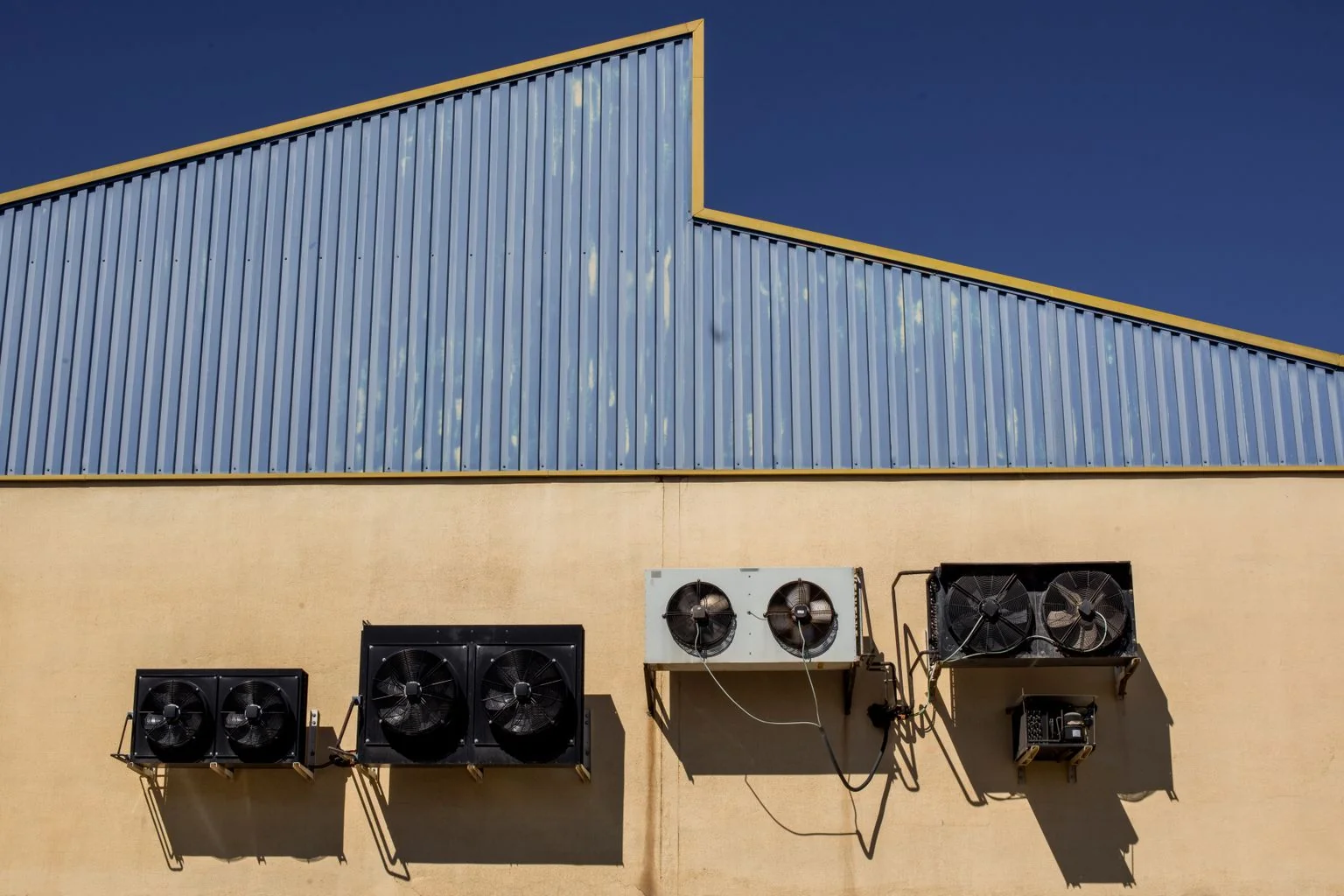
Ask whether the provider reports water consumption, its source, the cooling method and the local water context. Claims such as?closed loop? or?water efficient? should be supported by measured values and a defined boundary. Also ask about backup-generator fuel, equipment replacement, hardware reuse and whether waste heat is recovered. No single efficiency metric covers all these effects.
Evidence to request from a hosting provider
| Question | Useful evidence | What it cannot prove alone |
|---|---|---|
| How efficient is the facility? | Facility-level PUE, measurement period, boundary and assurance statement. | Lower PUE does not necessarily mean lower total emissions or better workload efficiency. |
| What electricity is attributed to my service? | Consumption allocation, emission factors, contract or certificate details and matching period. | A company-wide renewable claim may not cover this location or period. |
| How is water used? | Water-use data, source, cooling design and local context. | A cooling-system label does not establish low water impact. |
| What is included in the footprint? | Inventory boundary, Scope 1-3 method, service allocation and third-party assurance scope. | An assured total is only as complete as the stated boundary and data. |
| Can the service run reliably? | Location, resilience design, backup arrangements, recovery objectives and data-transfer terms. | Local hosting does not by itself guarantee a specific latency or compliance outcome. |
Use the answers in a provider comparison and preserve the evidence with the claim it supports. If a provider cannot disclose facility-level data, state that limitation instead of converting a regional electricity statistic into a company-specific environmental claim.