
Measure Platform Energy Use
Online gaming services use electricity across cloud computing, data centres, video delivery, payment and account services, and customer devices. Public information rarely provides a complete, comparable footprint for one platform. Operators should measure what they can, document estimates and avoid presenting made-up industry averages as benchmarks. Illustrative dashboard only; the displayed values are not measurements from a gaming platform.
Set the boundary before collecting numbers
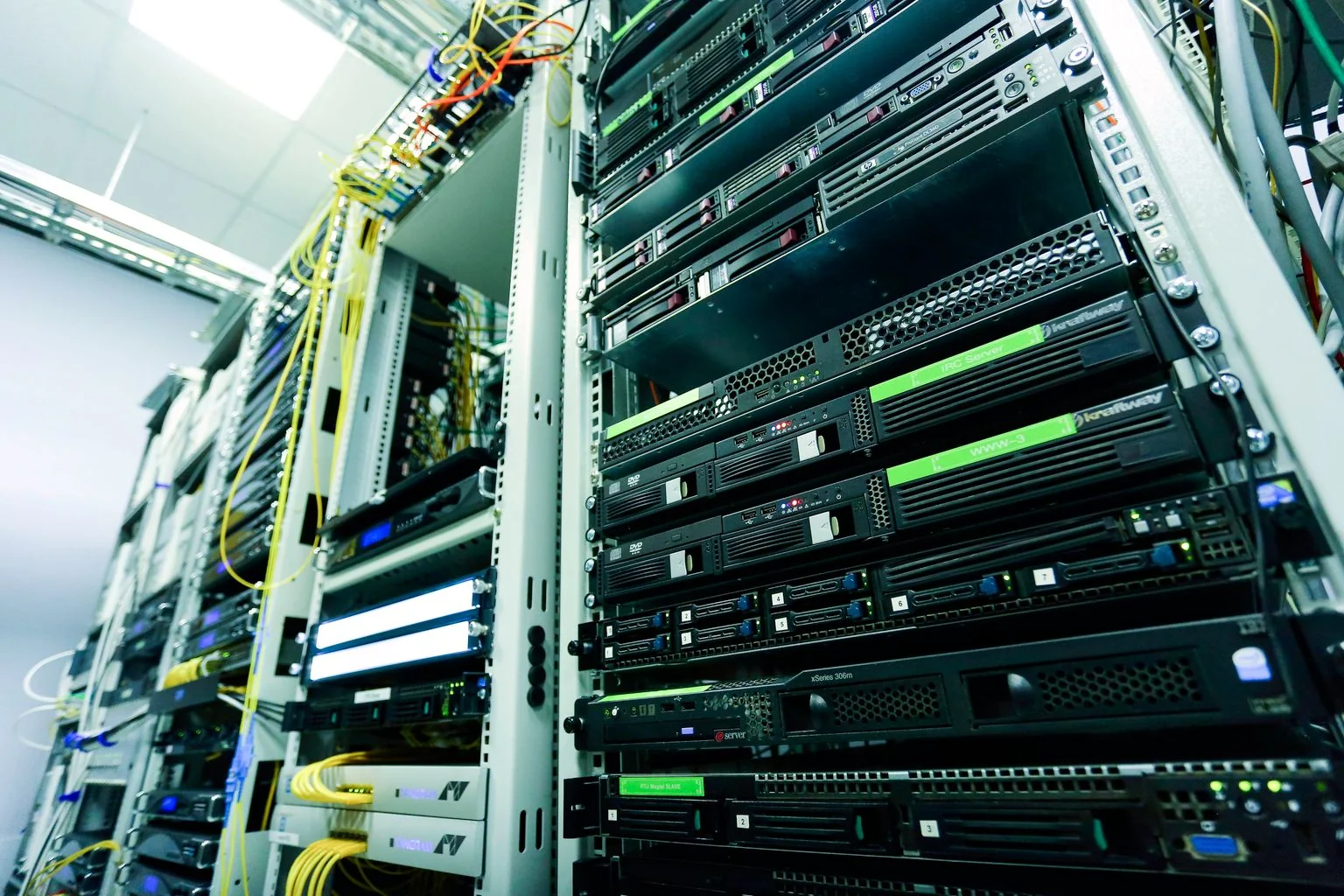
List the systems included in the service: owned equipment, office and studio operations, cloud services, game suppliers, content delivery networks (CDNs), telecom networks and end-user devices. Separate activity the operator controls from services it buys. A cloud provider's facility data may not cover the operator's full service or show how energy was allocated to it.
For each source, record the location, period, unit, method and data owner. Mark each value as metered, supplier-reported or estimated. Do not add values from different boundaries without checking for overlap.
Measure each layer with the data it can support
| Layer | Data to request or measure | Important limit |
|---|---|---|
| Owned or leased facility | Metered electricity, generator fuel, location and reporting period. | Facility totals may include other tenants, services or office loads. |
| Cloud and hosting | Provider energy or emissions data, service allocation method, region and reporting boundary. | A company-wide cloud estimate may not match the platform's actual workload. |
| Video and CDN | Stream minutes, data transferred, resolution or bitrate, and supplier-specific intensity where available. | Traffic volume alone is not an energy measurement; network factors vary. |
| Software and compute | Workload volume, processing time, resource use and changes after a release. | CPU or memory use is a proxy unless tied to a validated energy model. |
| Customer devices | Device and session characteristics only where they can be collected lawfully and reliably. | Do not attribute device electricity to the operator without a stated method and boundary. |
Use an internal intensity measure carefully
An operator may calculate energy per session, per transaction or per active player hour to compare its own service over time. These are internal measures, not established universal benchmarks for online gambling. Define an?active player hour?, specify how concurrent sessions are counted and keep the infrastructure boundary consistent. Publish the absolute total alongside any intensity figure so growth does not hide rising consumption.
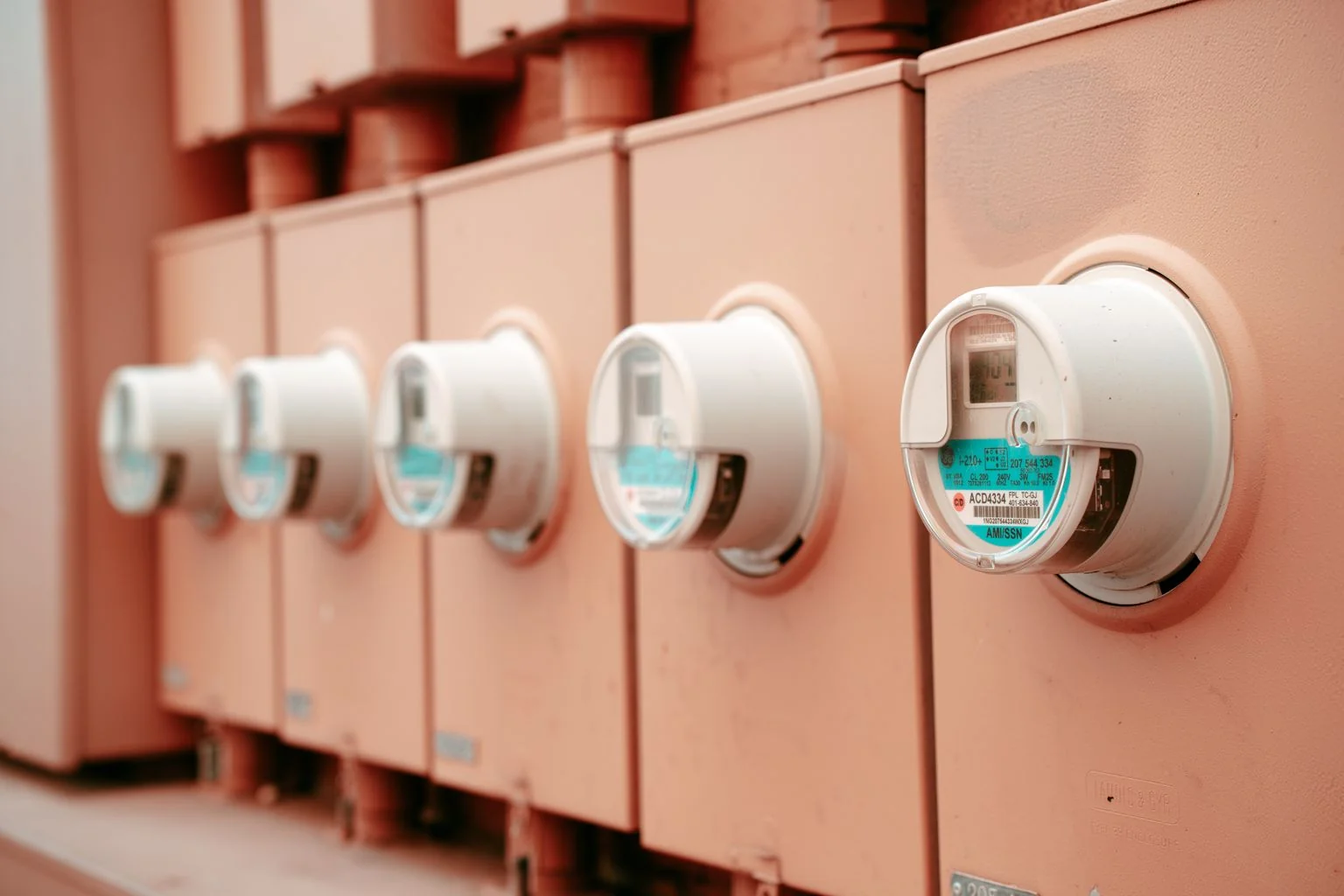
Power Usage Effectiveness (PUE) can help compare data-centre facility overhead when the provider reports a suitable boundary and period. PUE is not a measure of gaming-service energy per player and does not describe the emissions intensity of the electricity.
Reduce demand where the measurement points
- Remove idle resources and right-size capacity after checking service reliability.
- Review database queries, caching and data retention to reduce avoidable work.
- For video, test adaptive bitrate and resolution settings against accessibility and user experience.
- Schedule only flexible background jobs around grid conditions; real-time player services may not be movable.
- Ask suppliers for data by service and location rather than relying on broad corporate claims.
New Zealand's electricity generation is highly renewable overall, but the mix changes over time. A national grid statistic is context for an emissions calculation, not proof of the electricity used by a specific cloud workload. Keep location-based and market-based claims distinct and state the period covered.